10 fakta om Kambodja Researtiklar
10 fakta om Kambodja
Kambodja är ett land där historien ligger nära ytan. Här finns Angkors väldiga tempel, risfältens vattenvägar, huvudstadens nya silhuett och spåren efter ett 1900-tal som fortfarande präglar människors berättelser. För många resenärer börjar bilden av Kambodja vid Angkor Wat, men landet rymmer betydligt mer än sina mest berömda tempel. Här är tio fakta som ger en bredare bild av Kambodja – från Tonlé Sap och nationalrätten amok till monarkin, språket och landets moderna utveckling.
1. Tonlé Sap – sjön som förändras med årstiderna
Tonlé Sap är Sydostasiens största sötvattensjö och en av Kambodjas viktigaste naturresurser. Sjön är inte bara ett vattenlandskap, utan ett helt ekosystem av fiske, flytande byar, jordbruk och fågelliv. Under regnperioden växer sjön kraftigt när Mekongflodens vatten pressas tillbaka upp i Tonlé Sapfloden. Under torrperioden rinner vattnet åt andra hållet igen.
Denna märkliga rytm har gjort Tonlé Sap till en livsnerv för Kambodja. Fisken från sjön har i generationer försörjt människor runt dess stränder, och det vattenrika landskapet var också en viktig förutsättning för Angkorrikets framväxt. Utan vattnet, risodlingarna och det avancerade sättet att hantera naturens växlingar hade det khmeriska imperiets storhet sannolikt sett annorlunda ut.
2. Kambodjas nationalrätt heter amok
Amok är en av Kambodjas mest älskade rätter och brukar ofta beskrivas som landets nationalrätt. Den görs vanligtvis på fisk, men kan också lagas med skaldjur eller kyckling. Fisken blandas med en mild kryddpasta, kokosmjölk och örter, och ångas ofta i bananblad tills rätten får en mjuk, nästan suffléliknande konsistens.
Smaken är aromatisk snarare än stark. Citrongräs, galangal, kaffirlimeblad, gurkmeja och kokos ger rätten dess tydliga karaktär. Amok visar mycket av det kambodjanska kökets styrka: mild hetta, djupa örtsmaker och en fin balans mellan sälta, sötma och friskhet. Liknande rätter finns även i grannländerna, men i Kambodja har amok en särskild plats på menyer och vid högtider.
3. Angkorriket var en stormakt i Sydostasien
Angkor var centrum för det mäktiga khmeriska imperiet, som under flera århundraden dominerade stora delar av fastlandet i Sydostasien. I dag är området framför allt känt för sina tempelruiner, men Angkor var inte bara ett religiöst centrum. Det var också en avancerad stadsmiljö med vägar, vattenreservoarer, kanaler, palats och jordbrukssystem.
Angkor Wat är det mest berömda templet och räknas som ett av världens största religiösa monument. Men Angkor är långt mer än Angkor Wat. Här finns också Angkor Thom med Bayontemplets gåtfulla ansikten, Ta Prohm där trädrötter växer in i stenmurarna, det finmejslade Banteay Srei och många mindre tempel som ofta säger lika mycket om rikets bredd och detaljrikedom som de mest besökta platserna.
4. Kambodjas flagga bär Angkor Wat i mitten
Kambodjas flagga är en av få nationsflaggor i världen som avbildar en byggnad. I mitten syns Angkor Wat i vitt, placerad mot en röd och blå bakgrund. Templet är mer än en sevärdhet. Det är en symbol för landets historia, religiösa arv och nationella identitet.
De blå fälten förknippas ofta med monarkin, medan det röda står för nationen. Den vita silhuetten av Angkor Wat binder samman dåtid och nutid. Flaggan påminner om att Angkor inte bara är ett arkeologiskt område, utan en central del av hur Kambodja ser på sig självt.
5. Röda khmererna – en mörk period i Kambodjas historia
Mellan 1975 och 1979 styrdes Kambodja av Röda khmererna under Pol Pot. Det var en av de mörkaste perioderna i modern asiatisk historia. Städer tömdes, familjer splittrades, utbildade människor förföljdes och stora delar av befolkningen tvingades till hårt arbete under extrema förhållanden. Svält, avrättningar, sjukdomar och övergrepp ledde till att uppskattningsvis omkring två miljoner människor dog.
Det är viktigt att skilja mellan khmerer och Röda khmererna. Khmer är namnet på Kambodjas största folkgrupp och på landets huvudspråk. Röda khmererna var däremot en kommunistisk rörelse och regim. Namnet ska alltså inte förknippas med khmerer som folkgrupp. I dagens Kambodja är minnet av denna tid fortfarande närvarande, bland annat vid platser som Tuol Sleng och Killing Fields utanför Phnom Penh.
6. Kambodja är en konstitutionell monarki
Kambodja är en konstitutionell monarki. Kung Norodom Sihamoni blev kung 2004 efter att hans far, Norodom Sihanouk, abdikerade. Kungens roll är framför allt symbolisk och ceremoniell, medan den politiska makten ligger hos regering och premiärminister.
Norodom Sihanouk var en av 1900-talets mest betydelsefulla och komplexa gestalter i Kambodjas historia. Han var kung, statsöverhuvud, premiärminister och internationell diplomat under olika perioder. Han spelade en central roll vid landets självständighet från Frankrike och försökte länge navigera Kambodja genom kalla krigets svåra maktspel. Hans liv speglar mycket av Kambodjas moderna historia: självständighet, neutralitetspolitik, krig, exil och återgången till monarki.
7. Huvudstaden heter Phnom Penh
Phnom Penh är Kambodjas huvudstad och ligger där Mekong, Tonlé Sap och Bassac möts. Staden har länge varit landets politiska och kulturella centrum, men är i dag också en plats där det moderna Kambodja växer snabbt. Nya hotell, restauranger, skyskrapor och caféer samsas med marknader, koloniala byggnader, tempel och kungliga miljöer.
Namnet Phnom Penh är kopplat till Wat Phnom, templet på den lilla kullen där staden enligt traditionen tog sin början. Ordet phnom betyder kulle på khmer, och Penh syftar på kvinnan i legenden som fann heliga Buddhastatyer och lät uppföra en pagod på platsen. I dag är Phnom Penh en stad med starka kontraster: kungliga palatset och Silverpagoden, livliga boulevarder, flodpromenader, minnesplatser från 1970-talet och ett nattliv som visar en yngre, mer urban sida av landet.
8. Valutan heter riel – men dollar används också
Kambodjas valuta heter riel och har valutakoden KHR. I praktiken används både riel och amerikanska dollar i vardagen. Dollar är vanligt vid hotell, restauranger, större köp och turistrelaterade betalningar, medan riel ofta används vid mindre inköp, på marknader och som växel.
Den utbredda användningen av dollar hänger samman med Kambodjas moderna historia, där perioder av instabilitet gjorde att dollarn länge sågs som en mer stabil valuta. För resenärer innebär det att man ofta klarar sig med en kombination av dollar och mindre belopp i riel. I större städer finns bankomater där det ofta går att ta ut kontanter.
9. Klimatet styrs av torrperiod och regnperiod
Kambodja har ett tropiskt klimat med två tydliga huvudperioder: torrperiod och regnperiod. Temperaturen är varm året om, men upplevelsen av klimatet förändras beroende på fuktighet, regn och säsong. Torrperioden infaller ungefär från november till april och är den mest populära tiden för rundresor, tempelbesök och sol och bad.
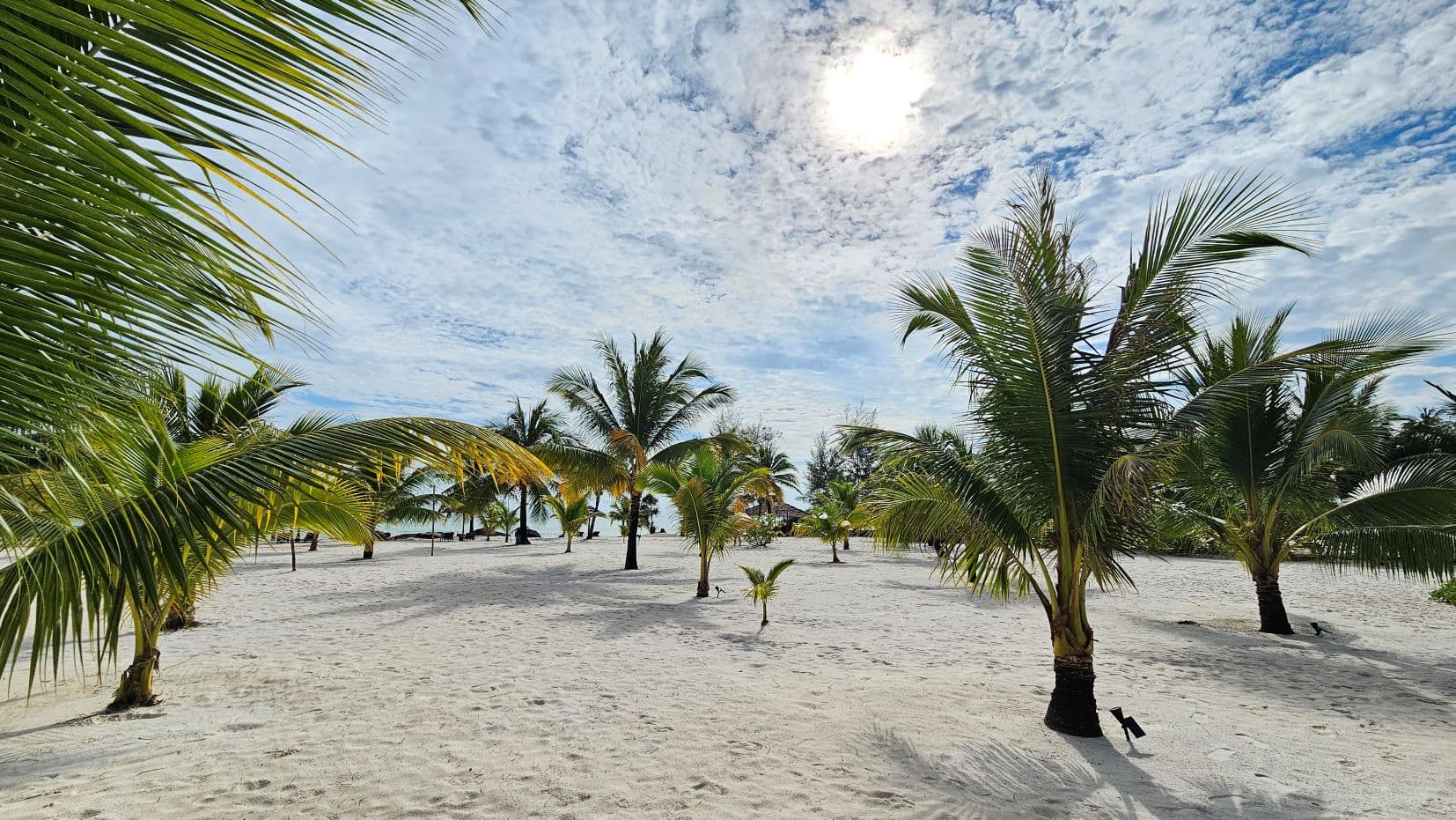
Regnperioden varar vanligtvis från slutet av maj till början av november. Den kallas ibland grönperioden, eftersom landskapet blir frodigt, risfälten fylls med vatten och vegetationen får en annan lyster. Regnet kommer ofta som kraftiga skurar snarare än heldagsregn. För den som vill fotografera tempel, möta ett grönare landskap och resa under en lugnare period kan även delar av regnperioden vara givande. För strandliv passar däremot torrperioden bäst.
10. Språket i Kambodja heter khmer
Kambodjas officiella språk heter khmer och talas av majoriteten av befolkningen. Khmer tillhör den austroasiatiska språkfamiljen och skrivs med khmerskrift, ett eget alfabet med rötter långt tillbaka i historien. Språket har påverkats av sanskrit och pali, särskilt genom religion, hovkultur och äldre texter.
För resenärer räcker engelska ofta bra på hotell, restauranger och i turistområden, men några ord på khmer uppskattas. Att kunna säga tack, hej och enkla hälsningsfraser gör mötet med människor lite närmare. Språket är också en nyckel till att förstå landets identitet. Khmer är både ett språk, en kultur och namnet på den största folkgruppen i Kambodja.
Kambodja – mer än Angkor Wat
Kambodja är ett land där de stora sevärdheterna bara är början. Angkor Wat är självklart ett av Asiens främsta kulturarv, men lika viktiga för helheten är Tonlé Sap, maten, huvudstaden, landsbygden, kustmiljöerna och människornas vardag. Resan genom Kambodja blir därför som mest intressant när man låter både det storslagna och det stillsamma ta plats.
För den som vill uppleva landet mer fördjupat finns TEMA:s rundresa Kambodjas leende , där Angkors tempel, Battambang, Kampot, Kep, Phnom Penh och vardagslivet i Kambodja vävs samman till en innehållsrik resa genom landet. Den som vill se Kambodja i ett större sydostasiatiskt sammanhang kan i stället läsa mer om Indokina med Angkor, Mekong och Luang Prabang , där Kambodja kombineras med Vietnam och Laos.